


Overview
Designed for travelers with approximately one week and a desire to experience the best of the Kansai region, Japan’s medieval center of power, this itinerary is an ideal way to explore Osaka and its surrounding area!
Beginning with the modern urban vibe of Osaka, the journey takes you to Himeji, steeped in Edo-period (1603–1868) history, and then to the medieval capitals of Kyoto and Nara. The route not only features must-see iconic landmarks, but also includes immersive local cultural experiences and breathtaking natural scenery.
Japan Highlights specializes in bespoke journeys — adjusting to your pace, adding kid-friendly activities, personalizing dining, and much more — ensuring your trip reflects your unique interests and creates treasured moments.
- Days:7±
- Best For:first-timers, families
- Departure date: up to you
- Price:from US$3,809 each (2 people) and US$ 2,799 each (4 people)
*The price is based on a private tour.
Highlights
- Craft unique and fun Japanese food models to take home as souvenirs.
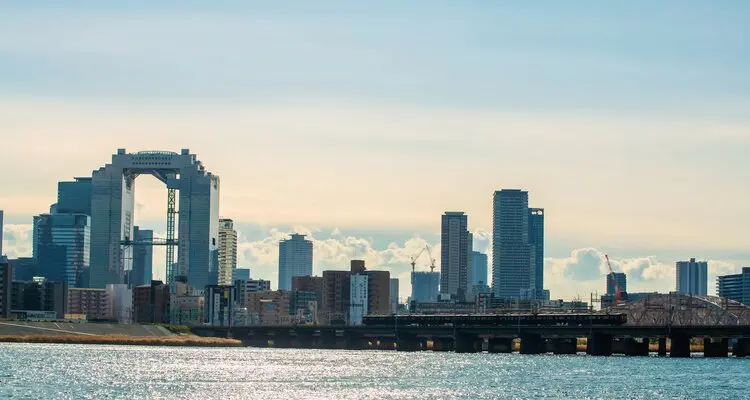
- Ascend Umeda Sky Building's Floating Garden Observatory for panoramic views of Osaka's dynamic cityscape.
- Experience the historical grandeur of Himeji Castle, followed by the serene and healing waters of Arima Onsen's time-honored springs.
- Embrace Japanese tradition with a kimono-wearing experience in Kyoto, strolling through history-filled streets in elegant attire.
- Savor Japan's culinary delights, from Osaka's street food to Kyoto's Shojin cuisine and sake tasting.
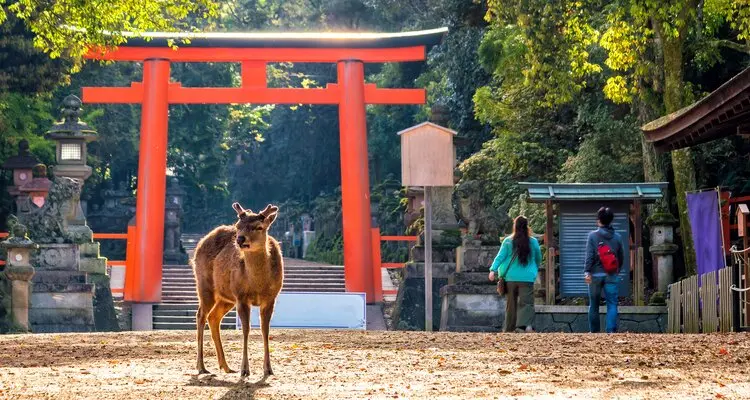
- Interact with friendly wild deer in Nara Park, gentle creatures who roam freely among centuries-old temples — a uniquely-Japanese experience.
Itinerary
Upon your arrival at Kansai International Airport, your dedicated driver will greet you and whisk you away to your Osaka hotel in comfort and style.
- Start your day at Osaka Castle Park, where its iconic tower stands as a testament to the city's feudal history. Explore the adjacent museum and enjoy the surrounding gardens, a favorite spot for locals to relax.
- Next, immerse yourself in Osaka's quirky food culture with a food model crafting experience. Create lifelike plastic replicas of Japanese dishes, which make fun and unique souvenirs.
- As making model food will probably make you feel hungry, head to Dotonbori, Osaka's bustling street food hub, and savor freshly-made takoyaki, the city's signature octopus-filled snack. Enjoy a crab feast at the time-honored Kani Douraku restaurant in Dotonbori.
- Lastly, visit the Umeda Sky Building, a futuristic landmark offering breathtaking views of Osaka from its "Floating Garden" observatory.
- You'll have two exciting options for a day of adventure:
- Immerse yourself in the thrilling rides and cinematic experiences of Universal Studios Japan.
- Or, explore the cutting-edge innovations and global cultures showcased at the Osaka World Expo 2025 (seasonal).
- Discover Himeji Castle ('White Heron Castle') an iconic 600-year-old National Treasure and World Heritage site. Explore its over 80 interconnected buildings, a prime example of feudal Japanese architecture completed in 1609.
- Visit Koko-en Garden, a traditional Japanese garden masterpiece, opened in 1993 with Himeji Castle as a stunning backdrop. Once the site of samurai residences, its nine distinct gardens showcase the beauty of the Edo period and have served as a filming location for historical dramas.
- Conclude your day in Arima Onsen, one of Japan's oldest hot spring towns in Kobe. Relax in the therapeutic, mineral-rich waters of the kinsen ('golden spring') and the ginsen ('silver spring'), both long-used public baths surrounded by beautiful natural scenery, offering a tranquil retreat.
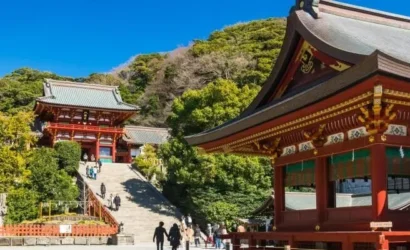
- Begin your journey from Osaka to Nara, home to Kasuga Taisha Shrine, a sacred site known for its vibrant vermilion paint contrasting with white walls and cypress roofs.
- Explore Nara Park, a vast parkland at the foot of Mt. Wakakusa, where friendly wild deer roam freely among early-medieval temples.
- Visit Todai-ji temple, a historically-significant landmark housing one of Japan's largest bronze Buddha statues within its massive wooden hall.
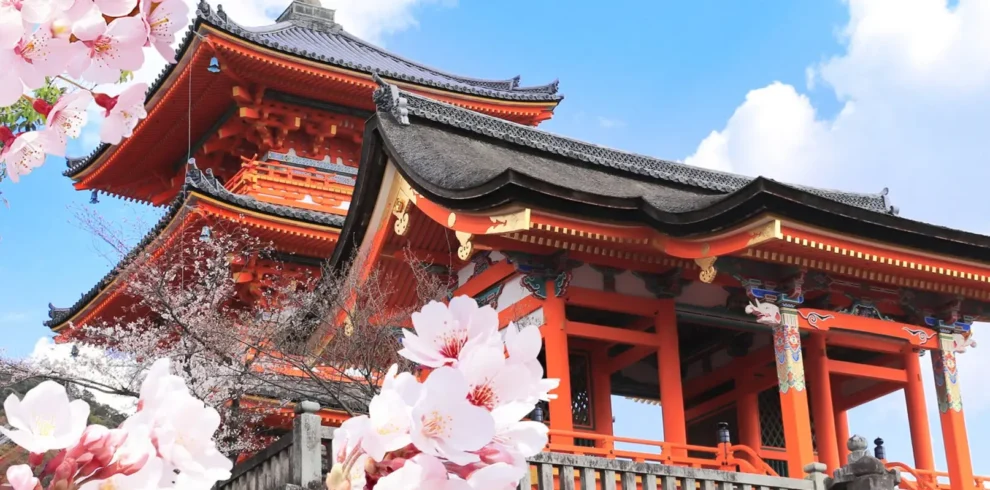
- Continue to Kyoto and discover Fushimi Inari Shrine, famous for its seemingly endless path of striking red torii gates, a memorable sight often featured in films.
- Conclude your day with a visit to Gekkeikan Sake Brewery, where you can admire a beautiful koi pond and Japanese garden, learn about sake production in its museum, and enjoy complimentary tastings of local sake and plum wine.
- egin your day at Kinkaku-ji temple ('Golden Pavilion'), a breathtaking Zen temple adorned in shimmering gold leaf, beautifully reflected on its serene pond.
- Then journey to Arashiyama, and immerse yourself in its enchanting Bamboo Grove, where sunlight filters through towering emerald canes, creating a magical atmosphere.
- Cross the iconic Togetsu-kyo bridge, offering picturesque views of Katsura River and the surrounding verdant mountains.
- Explore Tenryuji Temple and enjoy a peaceful Buddhist vegetarian lunch at Tenryuji Temple Shigetsu Shojin Cuisine.
- For a unique perspective, hike up to Monkey Park Iwatayama, and observe playful Japanese macaques in their natural habitat while enjoying panoramic city views.
- Conclude your day with an elegant kimono-wearing experience. Embrace Japanese tradition by adorning a beautiful kimono and stroll through Kyoto's charming streets or visit iconic shrines, capturing timeless photos in this exquisite attire.
Say goodbye to Kyoto and enjoy a private transfer to Osaka Kansai International Airport for your departure. Bid farewell to Japan, carrying cherished memories of your journey.
Cost
The Cost Includes
- Privately-driven air-conditioned vehicle with ample space (except where stated)
- Private English-speaking local guide for the sightseeing
- Attraction tickets and itinerary activities
- Accommodation for all nights
- Hotel breakfasts and itinerary lunches/dinners
- 24/7 helpline while touring
- Governmental taxes
The Cost Excludes
- International flights not mentioned in the itinerary
- Meals not mentioned in the itinerary
- Visa fee, if applicable
- Tips for guides and drivers
- Personal expenses
All About Your Trek
Embark on an exhilarating trekking journey that immerses you in the pristine beauty of nature and the rich cultural heritage of the region. This trek offers a perfect blend of adventure, breathtaking scenery, and meaningful local encounters, making it an ideal choice for those seeking to connect deeply with the environment and people.
Route & Terrain:
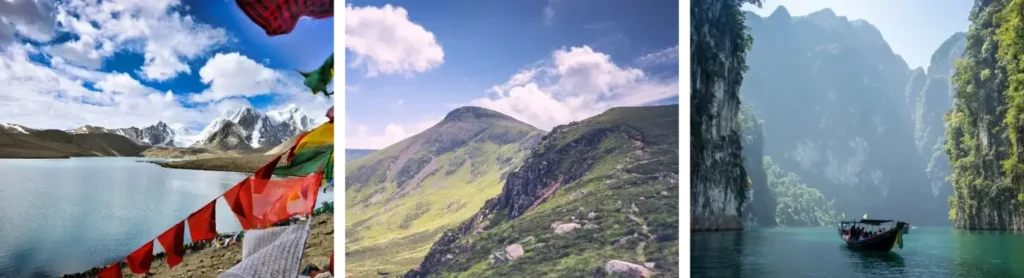
The trek covers a diverse landscape, ranging from dense forests and terraced fields to rocky mountain paths and high-altitude meadows. You’ll traverse well-marked trails that challenge your endurance while rewarding you with spectacular panoramic views. Some sections may involve steep ascents and descents, so a good level of physical fitness and stamina is recommended.
Duration & Pace:
This trek typically lasts [X days], allowing you to enjoy a balanced pace that combines daily trekking with time to rest and explore local villages. Each day’s walk averages between 4 to 7 hours, giving you ample opportunity to soak in the scenery and capture stunning photographs.
Accommodation & Facilities:
Overnight stays are arranged in traditional teahouses or mountain lodges, offering basic yet comfortable amenities. These cozy accommodations provide a chance to experience the warmth of local hospitality, enjoy hearty home-cooked meals, and recharge for the next day’s trek.
Cultural Experience:
Beyond the natural beauty, this trek provides a unique window into the life of indigenous communities. You’ll meet friendly locals, learn about their customs, traditions, and way of life, and perhaps even participate in cultural activities or festivals depending on the timing of your visit.
Best Time to Visit:
The optimal trekking seasons are during the spring months of March to May and the autumn months of September to November. During these periods, the weather is generally clear and stable, with moderate temperatures and minimal rainfall, ensuring safer trekking conditions and breathtaking visibility.
Preparation & Packing Tips:
To make the most of your trek, pack wisely. Essential items include sturdy trekking boots, layered clothing for fluctuating temperatures, rain gear, sun protection such as hats and sunscreen, a reusable water bottle, and personal medication. It’s advisable to keep your backpack light and prioritize comfort and functionality.
Health & Safety:
Your safety is our utmost priority. The trek is guided by experienced professionals who are well-versed in mountain safety and first aid. They continuously monitor weather and trail conditions to ensure a secure experience. Remember to stay hydrated, pace yourself, and communicate any discomfort to your guide immediately.
Environmental Responsibility:
We encourage all trekkers to practice responsible tourism by minimizing waste, respecting wildlife, and preserving the natural environment. Carry out all trash, avoid disturbing flora and fauna, and support local conservation efforts by purchasing souvenirs directly from artisans.
Additional Support:
Should you have any specific requirements or need assistance in planning your trek, our team is available to provide personalized advice and support. We also offer options for porter services or mule assistance to help carry your luggage, making your trek more comfortable.
FAQs
Annapurna Base Camp is a Grade B or a moderately difficult trekking route. So any fit person can do this trek, even if you do not have any previous experience. You should be aware of what to expect and mentally prepare for it. Then, as long as you will too, you can.
On average, you walk about 4 to 6 hours per day. One or two days can be as less as 3hrs and one or two days can be as long as 7hrs.
The highest altitude reached is 4190m. This is the elevation of Annapurna Base Camp. ABC is the highest we will climb in this trek.
Yes, you can charge batteries en route. Charger should be brought. There are hot shower facilities as well. You may have to pay a certain amount for both ($1-$2). Negotiate. Also, a hot water facility could be free at a lower elevation.
No. There are no ATMs on this trek route. You will have to draw enough cash in Pokhara or Kathmandu. There are a number of ATMs in these cities. Everything is paid in Nepali rupees. So money should be exchanged before the start of the trek.
Yes. The Internet can be accessed in most places. Sometimes, there might be some technical problems. The Internet in Nepal is not as fast as you are used to and at times you can just lose connection.
Not really. It depends on you. If you want, ABC trekking can be done independently. You could hire a guide and a porter by yourself instead of going through an agency or not hire a guide at all. Although, not having a guide can be a little problematic during the offseason.
It really depends on you. Is it your first time in Nepal? How confident are you of being able to find your way around? How pressed on time are you? If you go through an agency, it will be costlier but everything will be planned. You will only have to come, trek and return.
For the Annapurna region, pay for guides range from $20 to $30 per day and porters take $15 to $25 per day.